
Resources
Share a resourceExamples, recommended readings, methodologies and websites — linked to the framework.
 Recommended Reading
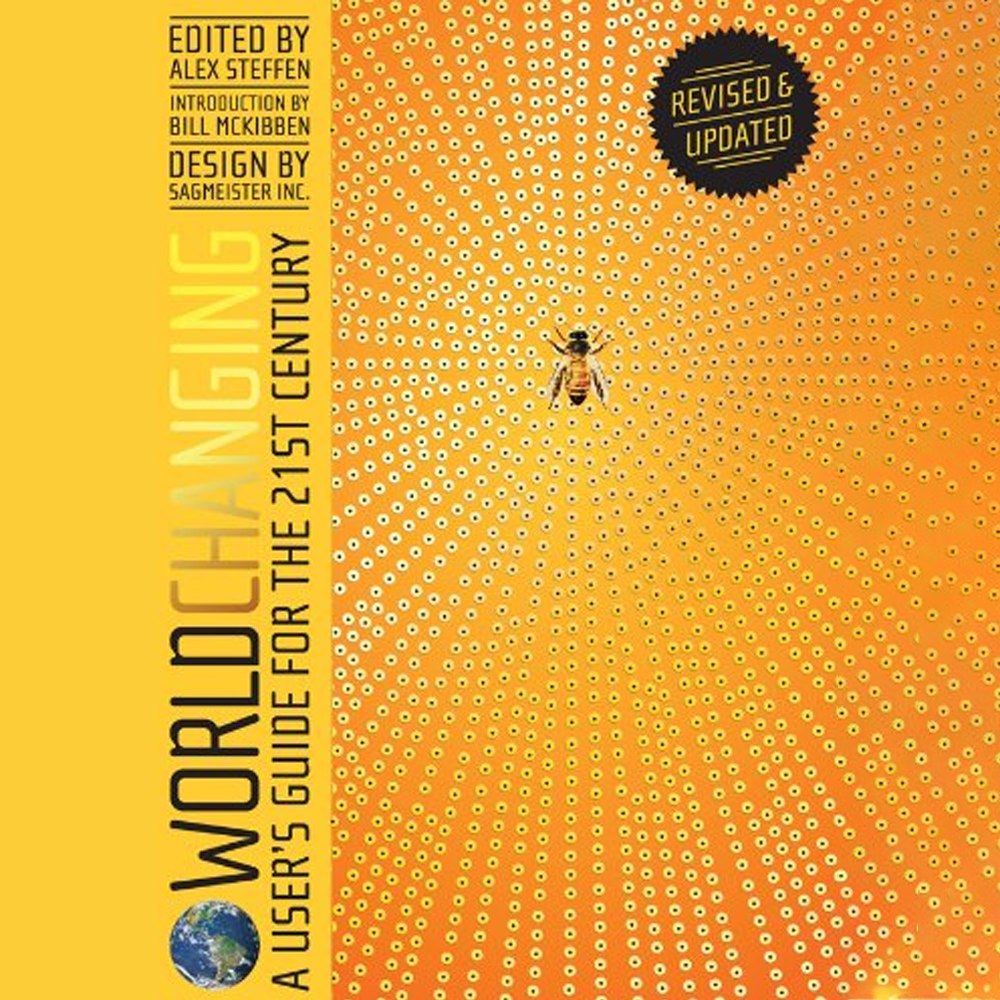
Worldchanging: A User's Guide for the 21st Century
A doorstop toolkit of ideas for a sustainable future — biomimicry, green chemistry, sharing systems, adaptive reuse and more. A sprawling atlas of the SDF's Sustainability motto at the Frontier, where design pushes against the world's hardest problems.
 Recommended Reading
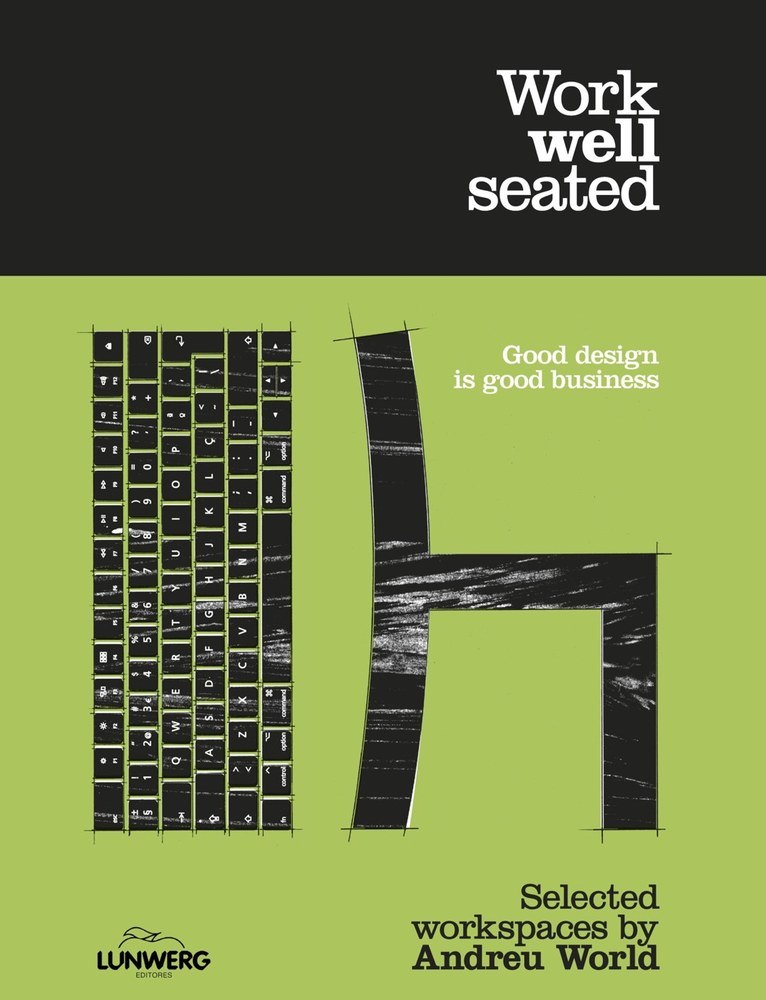
Work well seated: Selected workspaces by Andreu World
A furniture-maker's survey of how the post-pandemic workplace is being redesigned to be healthier, calmer and more sustainable. Read in SDF terms, it's about the Technological component — chairs, tables, materials — answering to the Sustainability motto and the shifting Environment that offices now sit in.
 Recommended Reading
Women in Design
Profiles of more than a hundred pioneering women across industrial, fashion, graphic, interactive and architectural design. A history that, in SDF terms, restores overlooked practitioners to the story of how design's Procedures were built.
 Recommended Reading
Women Design
Twenty-one richly illustrated profiles reclaiming women's overlooked influence on modern design, from Eileen Gray to Neri Oxman. A corrective to the record that, in SDF terms, restores missing authors of design's Procedures and Outcomes.
 Recommended Reading
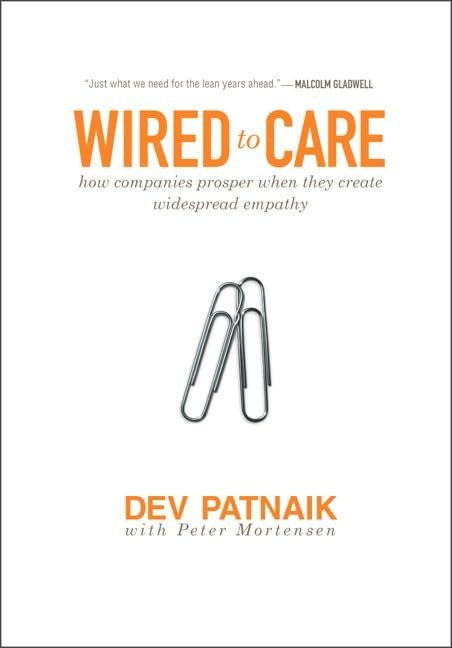
Wired to Care: How Companies Prosper When They Create Widespread Empathy
Patnaik's business case for empathy — that organisations thrive when they stop obsessing over themselves and genuinely feel what their customers do. A study of the SDF's Observations component at organisational scale: seeing the world you're designing for.
 Recommended Reading
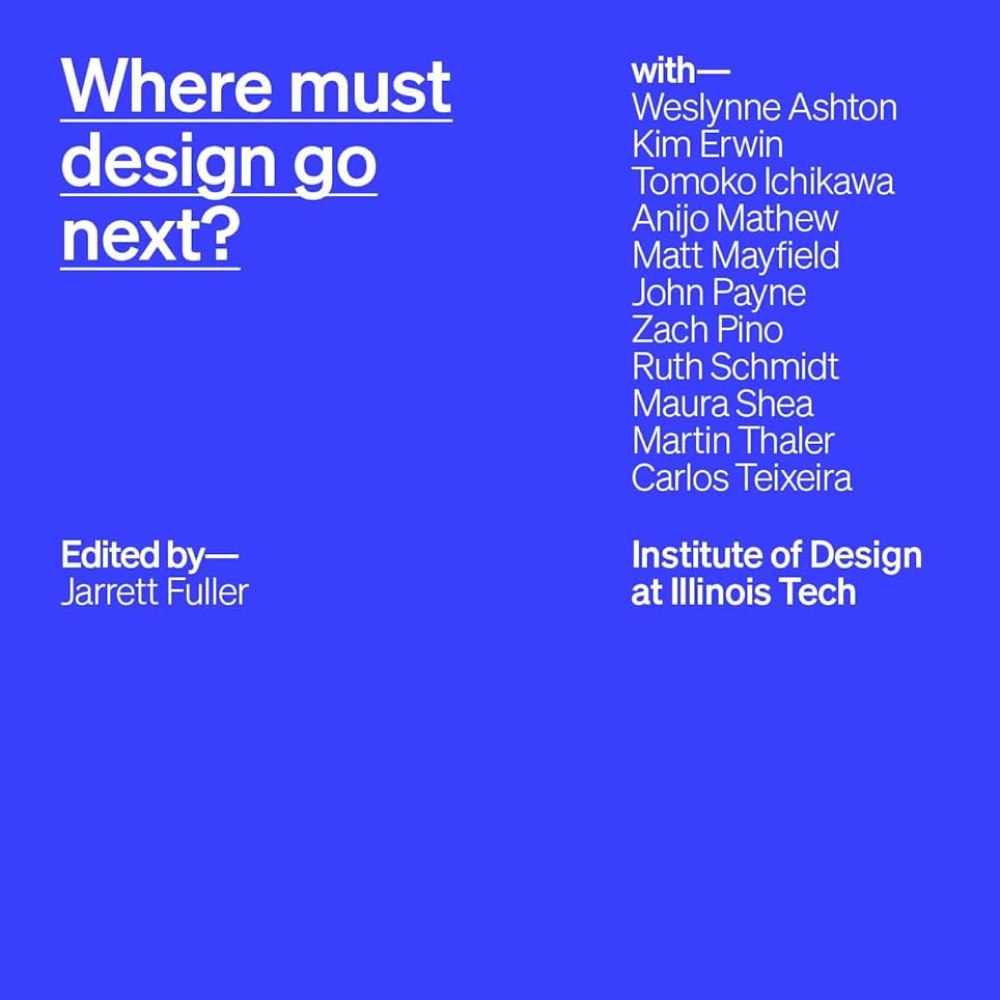
Where Must Design Go Next?
Six conversations with Institute of Design faculty on where the discipline heads next, framed by a plea to drop the myth of the lone genius and work as a community. Its message lands on the SDF's Partners component, read against the historical-social forces reshaping the profession.
 Recommended Reading
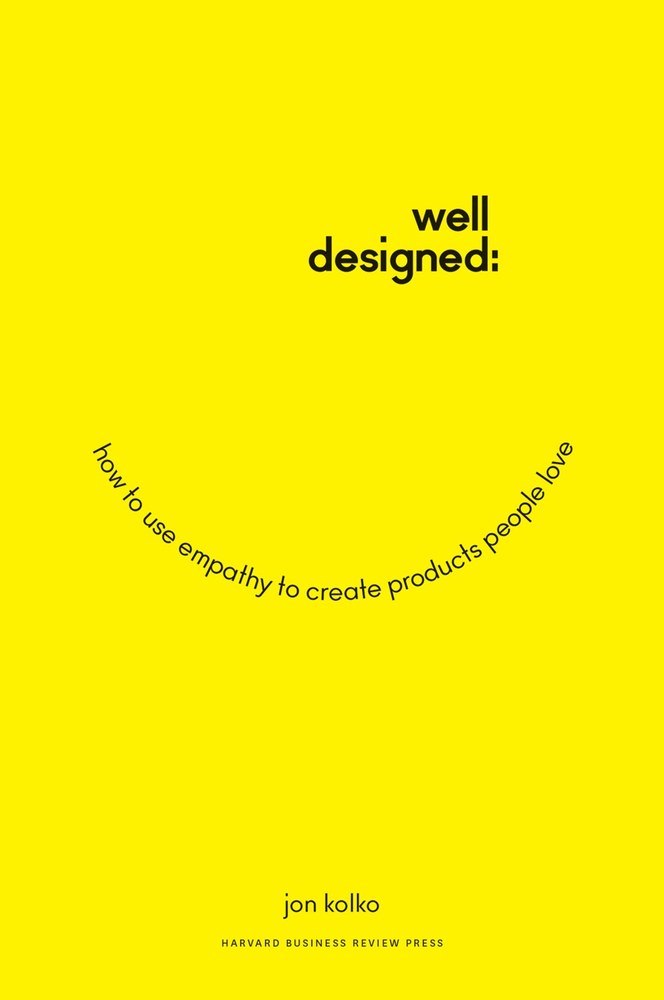
Well-Designed: How to Use Empathy to Create Products People Love
Kolko's method for using empathy to find opportunities and build products people form real emotional bonds with. It braids three SDF components — Observations, Humans and Procedures — around the feeling a product leaves behind.
 Recommended Reading
Wasted: When Trash Becomes Treasure
Treggiden profiles thirty designers and makers who treat waste as their raw material, with essays on what that shift means culturally and environmentally. A hopeful study of the SDF's Technological component reimagined — trash reframed as feedstock.
 Recommended Reading
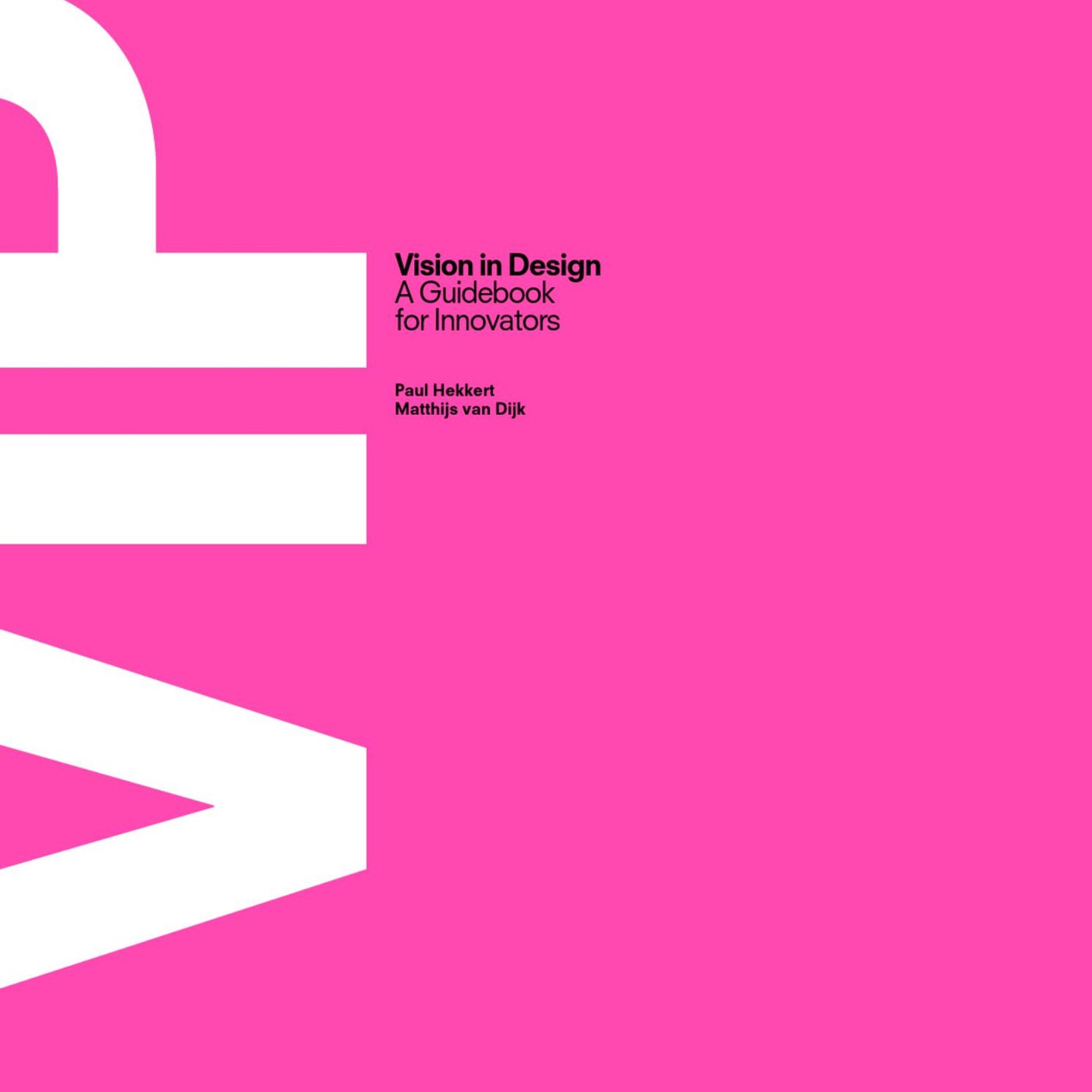
VIP Vision in Design: A Guidebook for Innovators
The Vision in Product design (ViP) approach: start from the future context and worldview you want to design for, then work back to the product. Both a method and a philosophy, it joins the SDF's Procedures component to its epistemic-ontological facet — the assumptions about reality a design quietly commits to.
 Recommended Reading
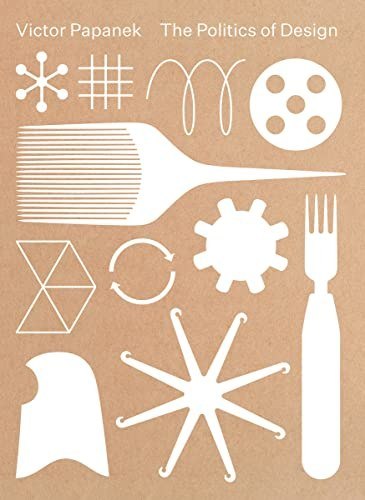
Victor Papanek: Politics of Design
A retrospective of Victor Papanek, the conscience of twentieth-century design, whose insistence that design serve real human and social needs still shapes the field. A direct line to the SDF's Social-Responsibility motto and its design-is-political conviction.
 Recommended Reading
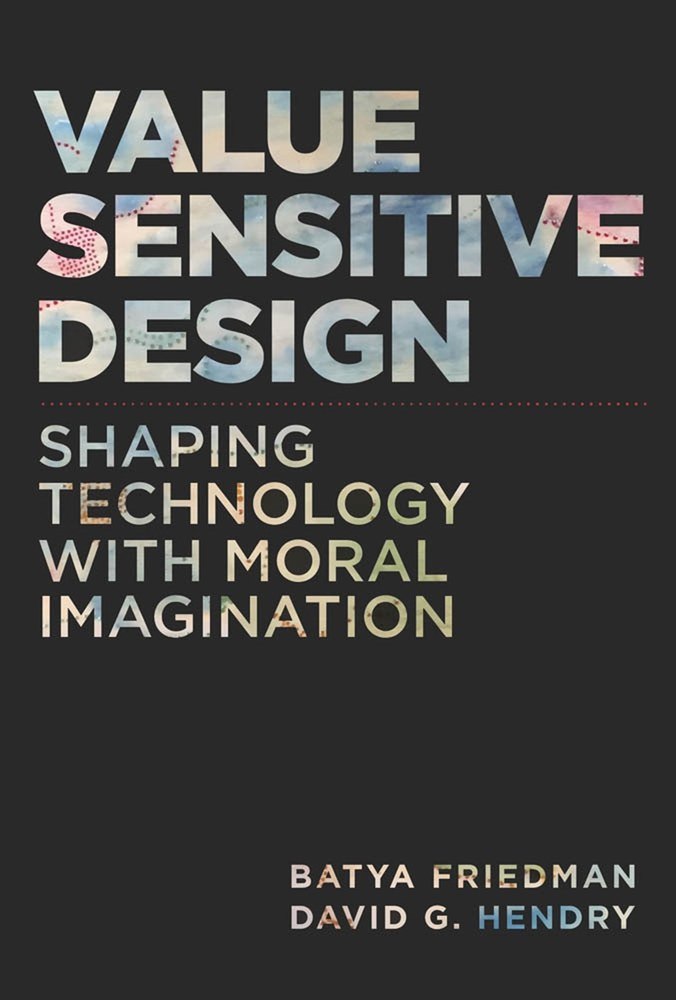
Value Sensitive Design
Friedman and Hendry's mature method for building human values into technology from the very first decision, rather than bolting ethics on at the end. Essentially the SDF's Ethics motto turned into a repeatable Procedures discipline.
 Recommended Reading
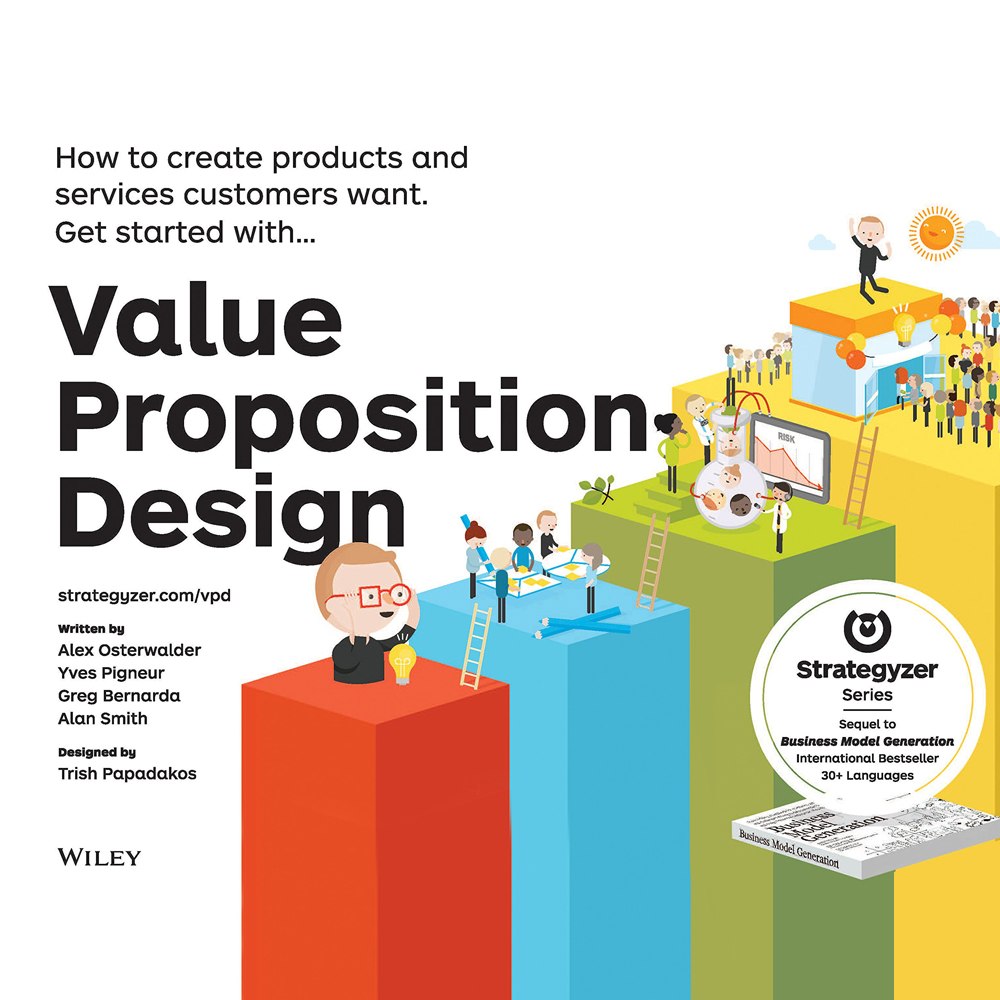
Value Proposition Design: How to Create Products and Services Customers Want
The Strategyzer team's practical toolkit for designing and testing value propositions that genuinely fit what customers need. A business-model classic that lands on the SDF's Economics motto — matching what's made to what's actually wanted.