
Resources
Share a resourceExamples, recommended readings, methodologies and websites — linked to the framework.
 Recommended Reading
Victor Papanek: Politics of Design
A retrospective of Victor Papanek, the conscience of twentieth-century design, whose insistence that design serve real human and social needs still shapes the field. A direct line to the SDF's Social-Responsibility motto and its design-is-political conviction.
 Recommended Reading
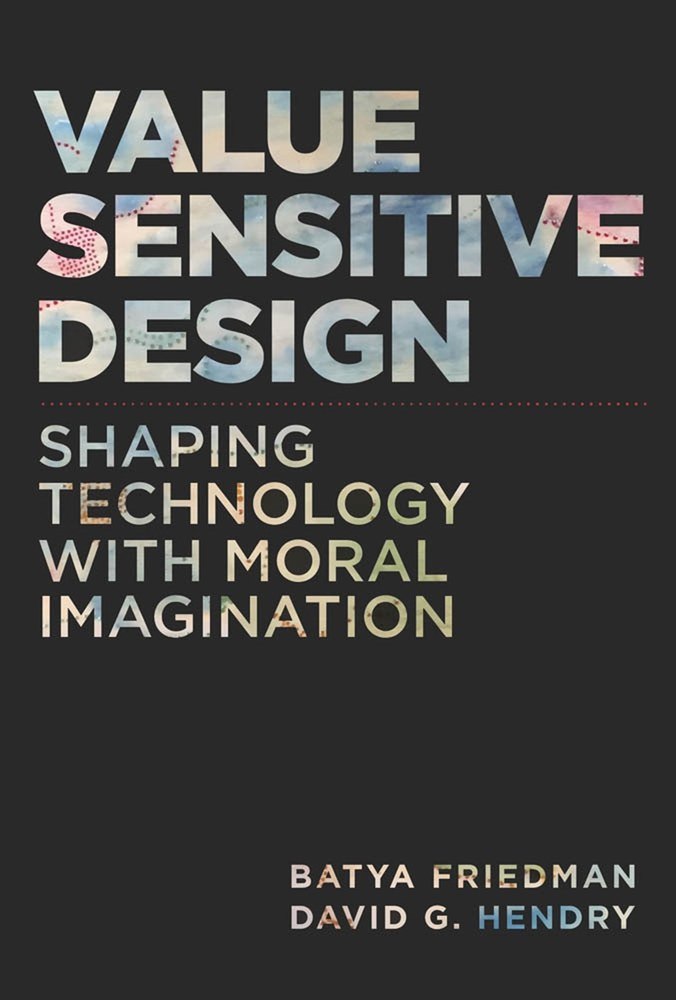
Value Sensitive Design
Friedman and Hendry's mature method for building human values into technology from the very first decision, rather than bolting ethics on at the end. Essentially the SDF's Ethics motto turned into a repeatable Procedures discipline.
 Recommended Reading
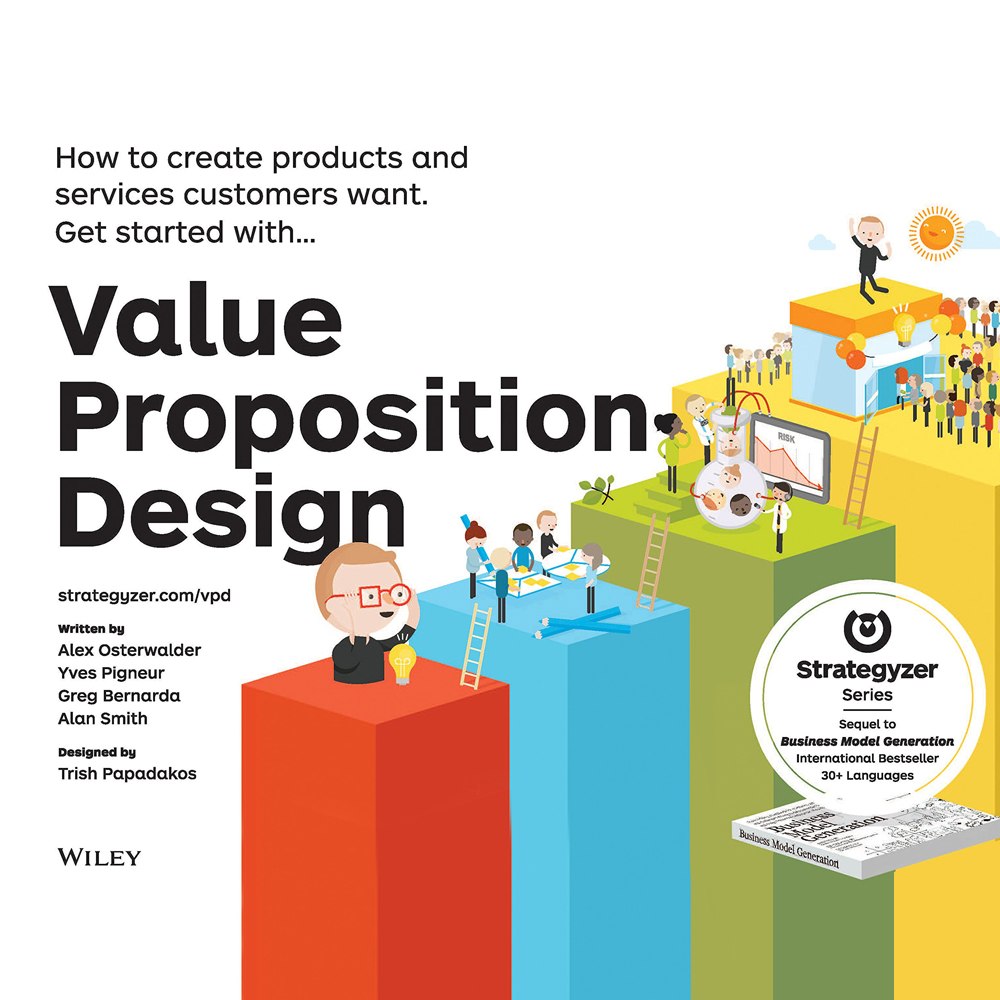
Value Proposition Design: How to Create Products and Services Customers Want
The Strategyzer team's practical toolkit for designing and testing value propositions that genuinely fit what customers need. A business-model classic that lands on the SDF's Economics motto — matching what's made to what's actually wanted.
 Recommended Reading
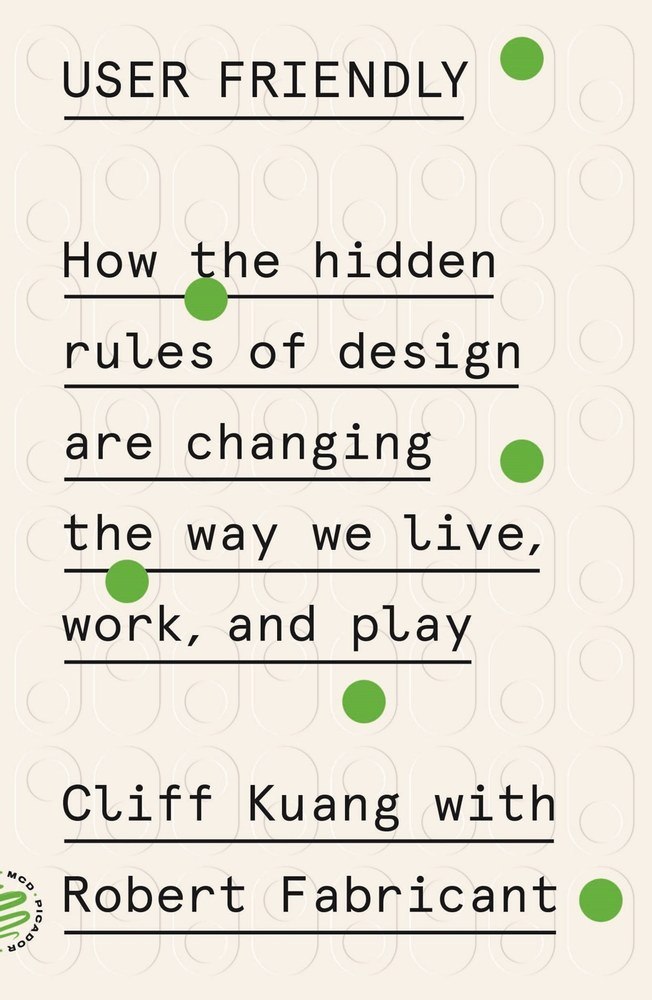
User Friendly: How the Hidden Rules of Design Are Changing the Way We Live, Work, and Play
A century-spanning history of how user-experience design quietly rewired the made world, and the hidden rules it runs on. A readable account of the SDF's procedural facet — the methods that became so standard we stopped noticing them.
 Recommended Reading
Universal Principles of Design: 100 Ways to Enhance Usability, Influence Perception, Increase Appeal, Make Better Design Decisions, and Teach Through Design
The classic cross-disciplinary reference: a hundred design principles, from the 80/20 rule to Ockham's razor, each defined and shown in practice. A toolbox for the SDF's Procedures component and its procedural facet — the shared methods and rules-of-thumb the discipline reasons with.
 Recommended Reading
Toy Design: From Concept to Realization. A Guide for the Designer
Guerrieri's practical guide to designing toys — the tools of the trade, and the deeper craft of listening to children and choosing forms and colours that communicate beauty. It joins the SDF's Humans component to its semiotic-communicational facet: designing meaning for the youngest audience.
 Recommended Reading
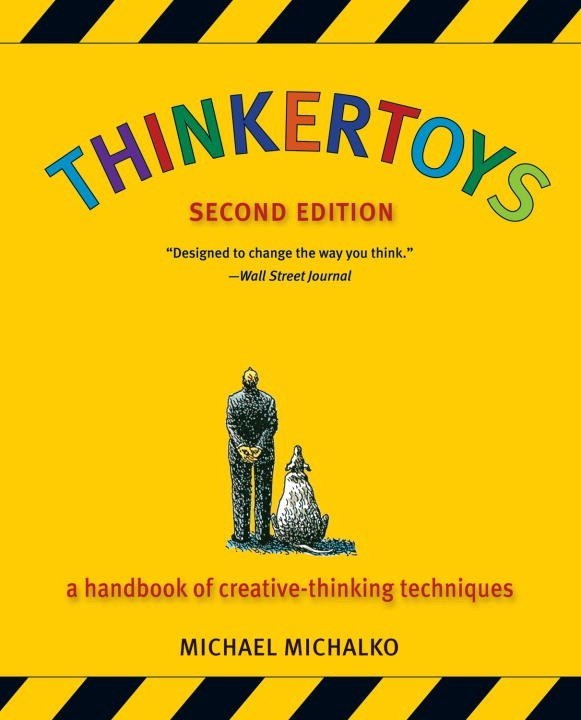
Thinkertoys: A Handbook of Creative-thinking Techniques
Michalko's much-loved handbook of creative-thinking techniques — structured exercises for cracking everyday problems in unexpected ways. A pure play in the SDF's Procedures component: the disciplined craft of generating ideas on demand.
 Recommended Reading
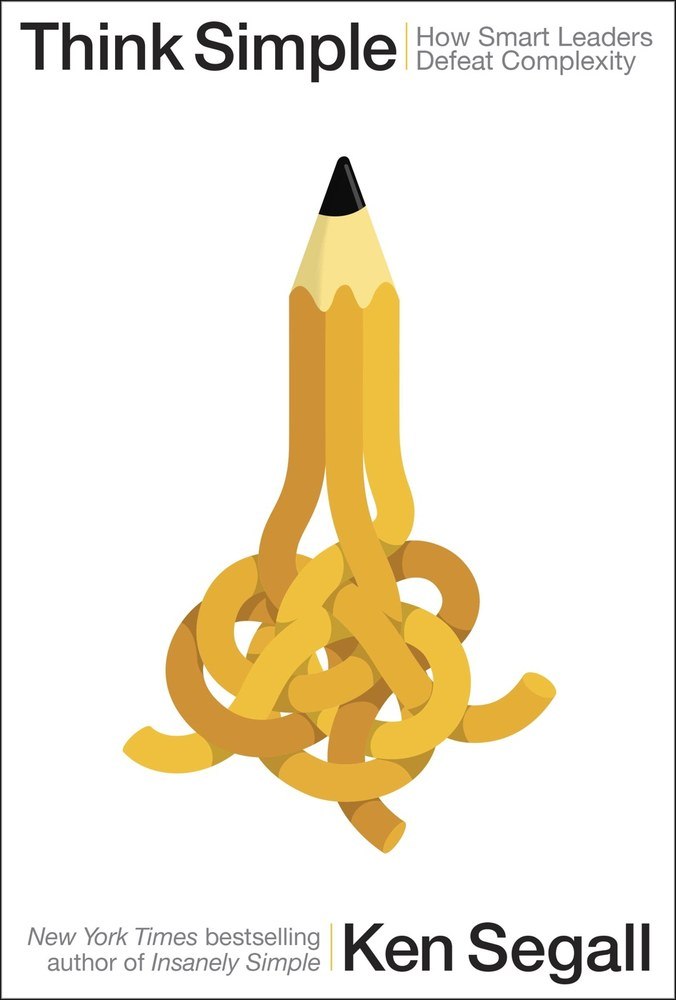
Think Simple: How Smart Leaders Defeat Complexity
Segall, an Apple insider, makes the business case for simplicity as a discipline — cutting complexity to focus on what matters. Useful to read against the SDF's complicated-versus-complex distinction: simplifying what's merely complicated is real work, though wicked problems ask for more than tidying.
 Recommended Reading
The Sustainability Design Book
A practical sourcebook of sustainable materials and products — furniture, lighting, accessories — for designers and conscious consumers alike. It runs the SDF's Sustainability motto straight through the Technological component: which materials and objects actually earn the label.
 Recommended Reading
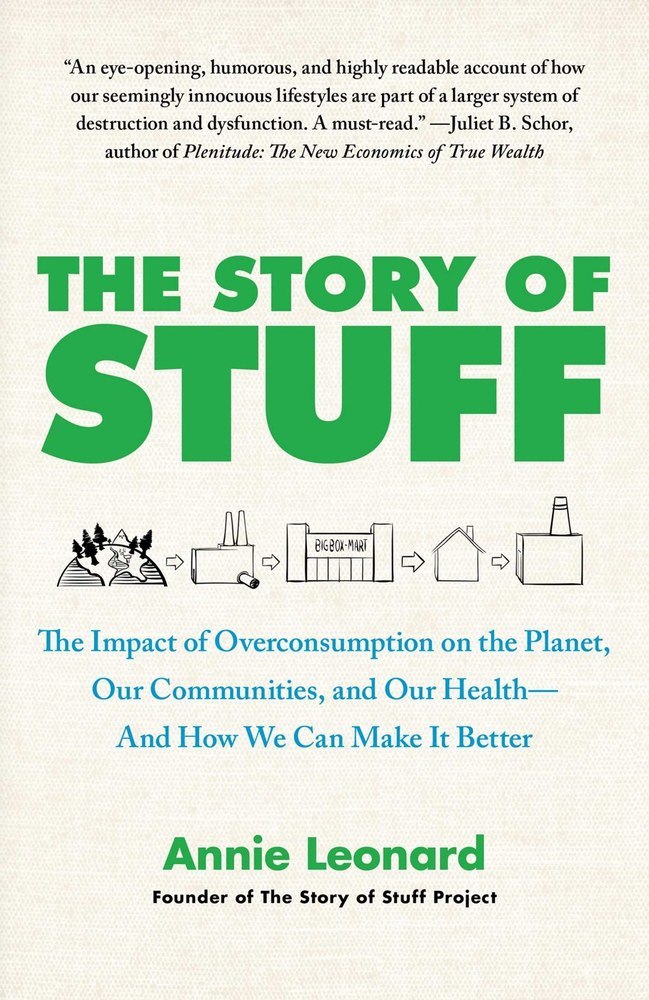
The Story of Stuff
Leonard's book-length version of her viral documentary, tracing the hidden life of the everyday 'stuff' we buy and throw away, and its cost to environment, economy and health. A galvanizing entry point to the SDF's Sustainability and Economics mottos — consumption as a system that can be redesigned.
 Recommended Reading
The Story of Design
Charlotte Fiell's sweeping overview of design's eras — the movements, materials and pioneers — set against the social, cultural and political currents that shaped them. It reads design through the SDF's historical-social facet, taking seriously that design is a political act.
 Recommended Reading
The Responsible Object A History Of Design Ideology For The Future
A history of socially and environmentally committed design — from William Morris and the Russian avant-garde to Papanek and the FabLab — framed by the waste our age will leave behind. It threads the SDF's Sustainability and Social-Responsibility mottos through the historical-social forces that have long shaped 'responsible' design.