
Resources
Share a resourceExamples, recommended readings, methodologies and websites — linked to the framework.
 Recommended Reading
Dynamic brand
Designer-professor Emanuele Cappelli lays out his 'Dynamic brand' method for identities that keep their values while constantly changing form. A practitioner's system that lives at the SDF's Procedures component and its semiotic-communicational facet — branding as meaning held steady through transformation.
 Recommended Reading
Diversity and Design: Understanding Hidden Consequences
Fifteen case studies showing how design decisions ripple differently across gender, race, class, age and ability — often in hidden, consequential ways. A clear-eyed look at design Outcomes through the SDF's Social-Responsibility motto: who a design quietly includes or shuts out.
 Recommended Reading
Dieter Rams: Ten Principles for Good Design
A focused overview of Rams's forty-year career, organised around his enduring ten principles for good design. Another window on the SDF's procedural facet — the clearest short statement design has of what 'good' should mean.
 Recommended Reading
Dieter Rams: As Little Design As Possible
The definitive monograph on Dieter Rams, whose decades leading Braun produced some of the twentieth century's most quietly perfect objects. A deep study of the SDF's procedural facet made visible in a lifetime of restrained Outcomes.
 Recommended Reading
Designing Sustainable Energy for All: Sustainable Product-Service System Design Applied to Distributed Renewable Energy (Green Energy and Technology)
An open-access study of how to deliver renewable energy to the 1.4 billion people without reliable electricity, via sustainable product-service business models. It binds the SDF's Technological and Economics concerns to the Sustainability motto — access as a design problem, not just an engineering one.
 Recommended Reading
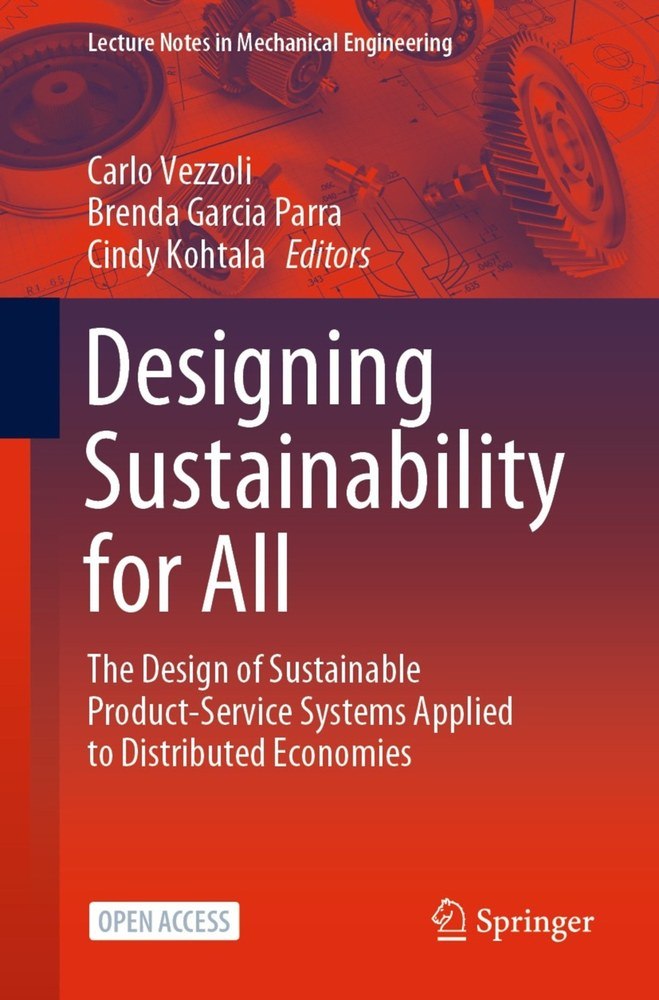
Designing Sustainability for All
An open-access textbook on designing sustainable product-service systems and distributed economies — solutions that are environmentally, socially and economically sound, and reachable by everyone. A rare book that holds three of the SDF's four mottos at once: Sustainability, Social Responsibility and Economics.
 Recommended Reading
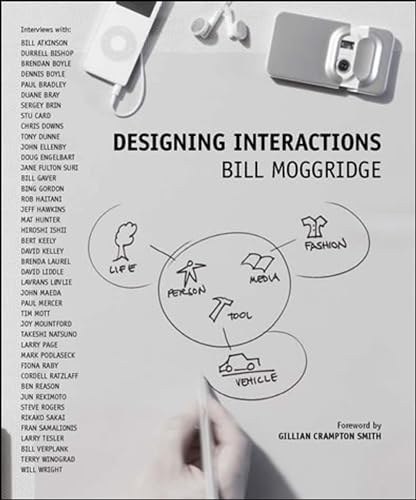
Designing Interactions
Moggridge, who helped name interaction design, gathers forty of its shapers to trace how we came to live with digital things, from games to work tools. A field-defining oral history of the SDF's Procedures component — the methods and craft by which interaction is actually made.
 Recommended Reading
Designing Educational Toys & Spaces
How do you design for children? Guerrieri answers through the work of leading toy and learning-space designers, toward a freer, more autonomous idea of education. A tender application of the SDF's Humans component — designing Outcomes for the youngest, most demanding users.
 Recommended Reading
Designing Design
Kenya Hara's meditation on emptiness as a design value, drawn from Japanese aesthetics and his work shaping MUJI's identity. It lives where two SDF facets meet — the semiotic-communicational (how form carries meaning) and the epistemic-ontological (the worldview underneath the work).
 Recommended Reading
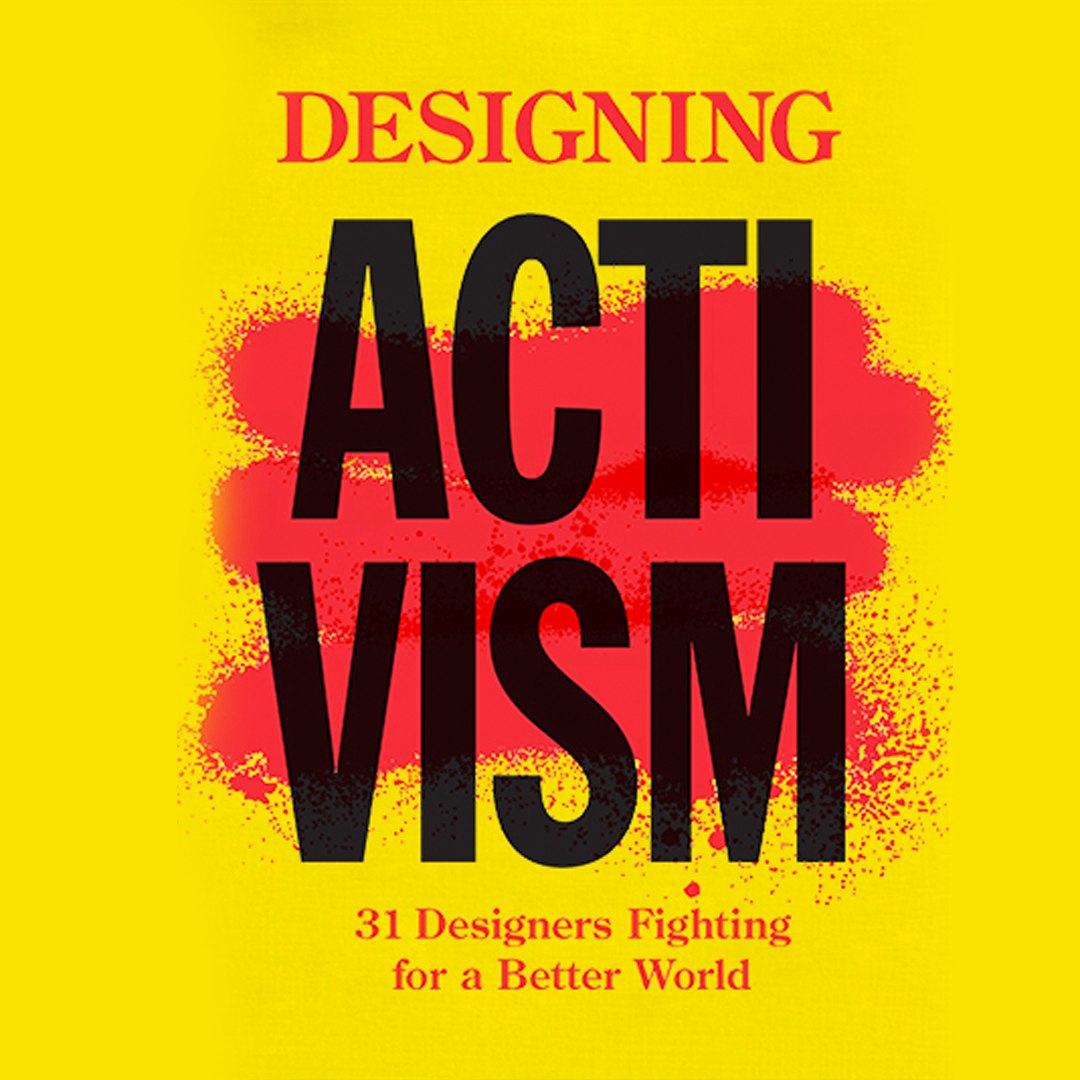
Designing Activism
A rallying collection of thirty-one creative activists using design to push for positive change. Short and motivating, it turns the SDF's Social-Responsibility motto and its design-is-political stance into concrete Procedures.
 Recommended Reading
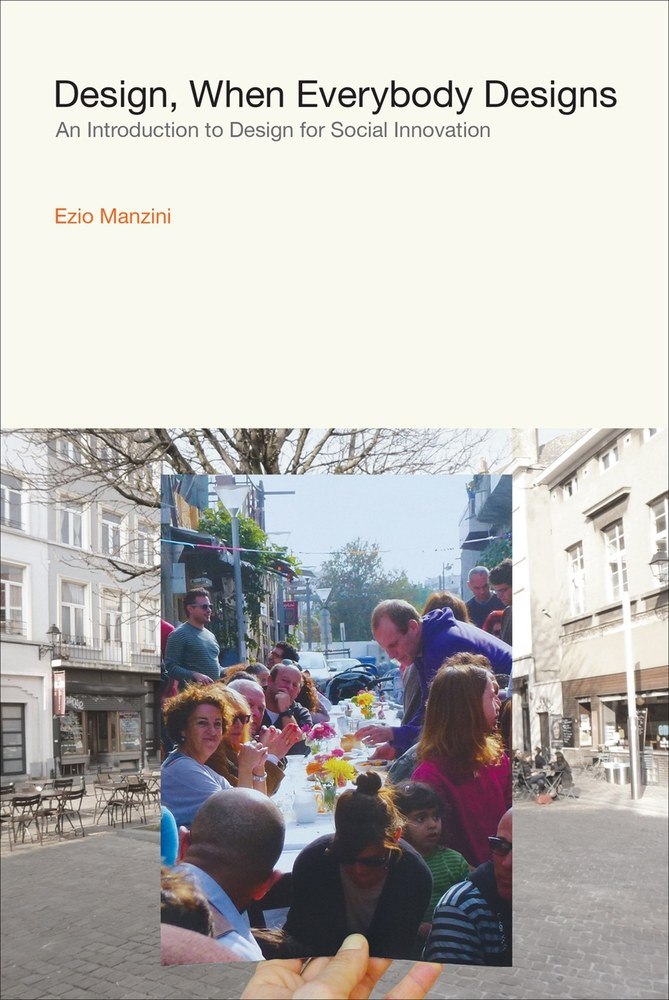
Design, When Everybody Designs
Manzini's landmark on social innovation and 'diffuse design' — how expert designers can support the everyday design communities already do, toward a sustainable, resilient society. A near-perfect statement of the SDF's Partners component under the Sustainability and Social-Responsibility mottos.
 Recommended Reading
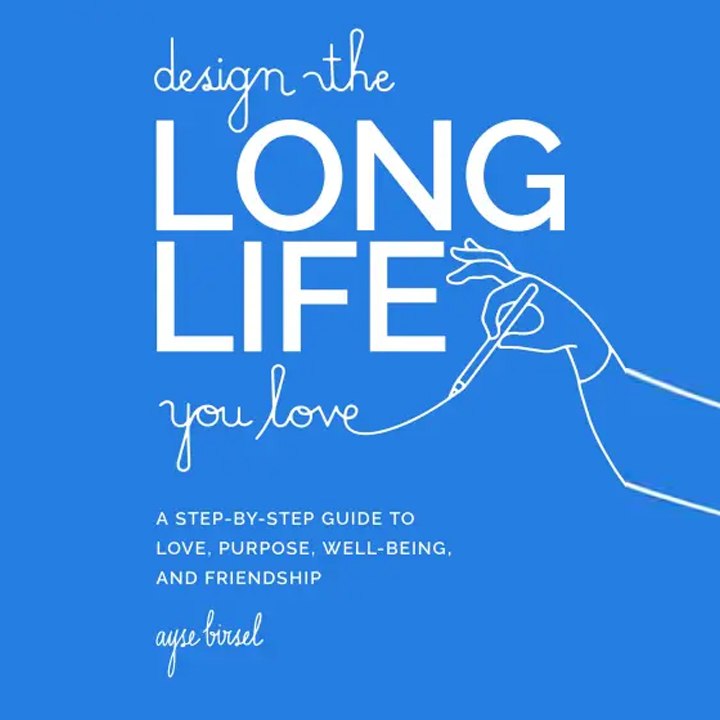
Design the Long Life You Love
Birsel turns design-thinking tools inward, with exercises for shaping a long life around love, purpose, well-being and friendship. A gentle demonstration that the SDF's Procedures and Observations work on a life, not just a product — with the Humans component pointed at yourself.