
Resources
Share a resourceExamples, recommended readings, methodologies and websites — linked to the framework.
 Recommended Reading
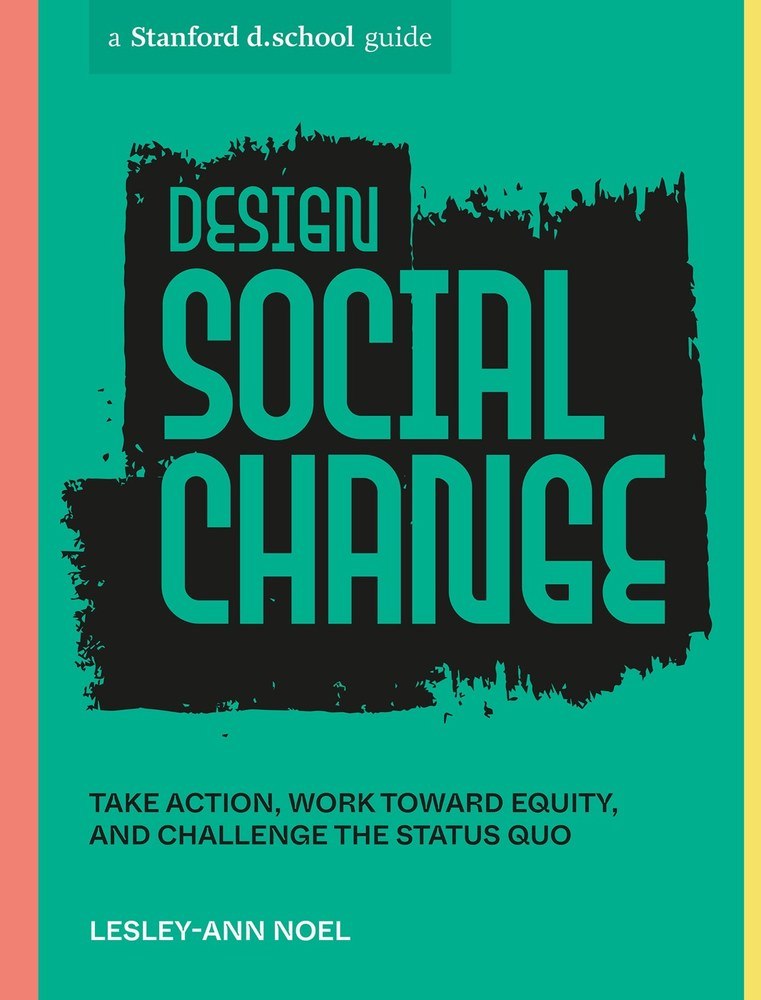
Design Social Change
A Stanford d.school guide to using your own identity and lived experience as design fuel for challenging the status quo toward equity and justice. It puts the SDF's Social-Responsibility motto into the hands of the individual designer, backed by the institution teaching it.
 Recommended Reading
Design Revolution: 100 Products that Empower People
Pilloton showcases a hundred need-based products that empower people rather than just sell to them, challenging designers to be changemakers instead of 'stuff creators.' It braids the SDF's Social-Responsibility and Economics mottos through Partners — design done with communities, for their own capacity.
 Recommended Reading
Design of the 20th Century
The Fiells' compact encyclopaedia of twentieth-century design, from furniture to graphics and the ever-widening palette of materials. A reference-shelf tour of the SDF's historical-social facet — a century of design and the forces behind it.
 Recommended Reading
Design Now!
A wide survey of mid-2000s product design leaning toward greener practice, from lighting and furniture to transport and the built environment. A catalogue of design Outcomes in SDF terms, read through an early turn toward the Sustainability motto.
 Recommended Reading
Design Methods 1: 200 ways to apply design thinking
Two hundred design-thinking methods, each on a single how-to page with templates and guidance on when to use it. A pure toolkit for the SDF's Procedures component — the discipline's accumulated methods, catalogued for reuse.
 Recommended Reading
Design Leadership Ignited: Elevating Design at Scale
Drawn from interviews with Fortune 500 design leaders, a guide to running design at scale — and to holding the contradictory pulls that leadership creates. Its central move, embracing complexity rather than flattening it, echoes the SDF's distinction between the merely complicated and the genuinely complex.
 Recommended Reading
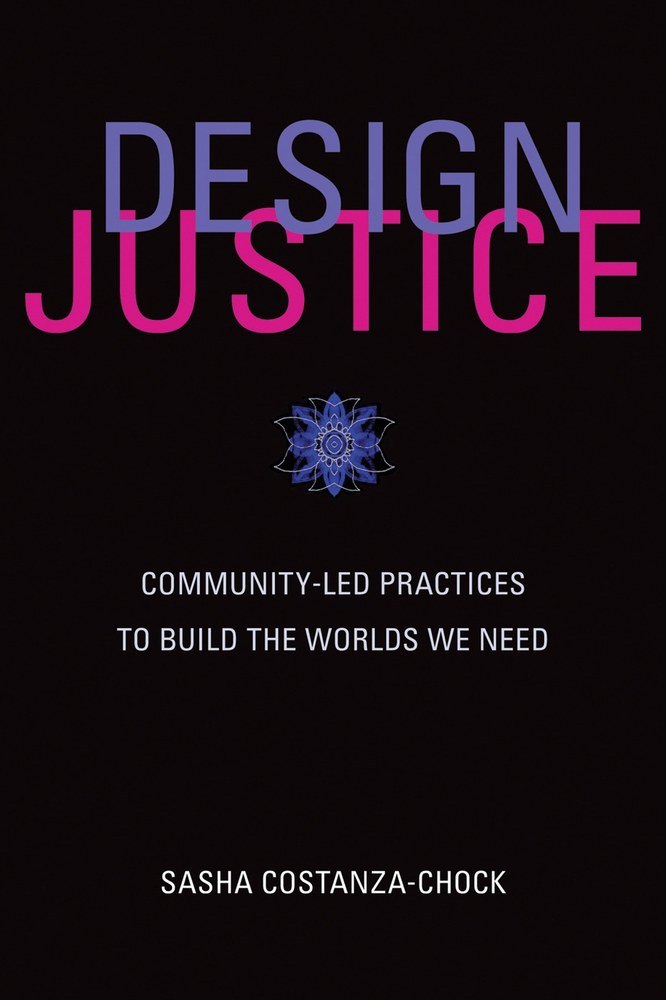
Design Justice: Community-Led Practices to Build the Worlds We Need
Costanza-Chock's influential case for design justice — community-led practice that challenges structural inequality instead of reproducing it, tied to collective liberation and ecological survival. About as direct an expression of the SDF's Social-Responsibility motto and design-as-political as this list holds, enacted through Partners.
 Recommended Reading
Design Issues
The long-running MIT quarterly of design history, theory and criticism — the scholarly conversation the field thinks with. A standing home for the SDF's historical-social facet: the cultural and intellectual forces that shape what design means.
 Recommended Reading
Design Is Storytelling
Lupton's field guide to narrative as a design tool — story structure, emotion and the psychology of perception used to make graphics, products and experiences people actually follow and feel. Not a sustainability title, but a sharp lens on one of the SDF's six facets: the semiotic-communicational, where design works by making meaning.
 Recommended Reading
Design for the Real World: Human Ecology and Social Change
Papanek's field-defining polemic — perhaps the most influential book ever written on socially responsible design — indicting design that serves profit over real human need. Foundational to the SDF's Ethics and Social-Responsibility mottos and its conviction that design is political.
 Recommended Reading
Design for Society
Whiteley's early, incisive critique of consumerist design — not anti-design, but against the unsound values baked into design that exists mainly to sell. A foundational argument for the SDF's Sustainability motto: clearing the ground for a more responsible, just practice.
 Recommended Reading
Design for Social Innovation - Case Studies from Around the World
Forty-five illustrated case studies of design driving social change, from UN agencies to national governments across six continents. A global evidence base for the SDF's Social-Responsibility motto, enacted through Partners — the cross-sector coalitions that make social innovation hold.